
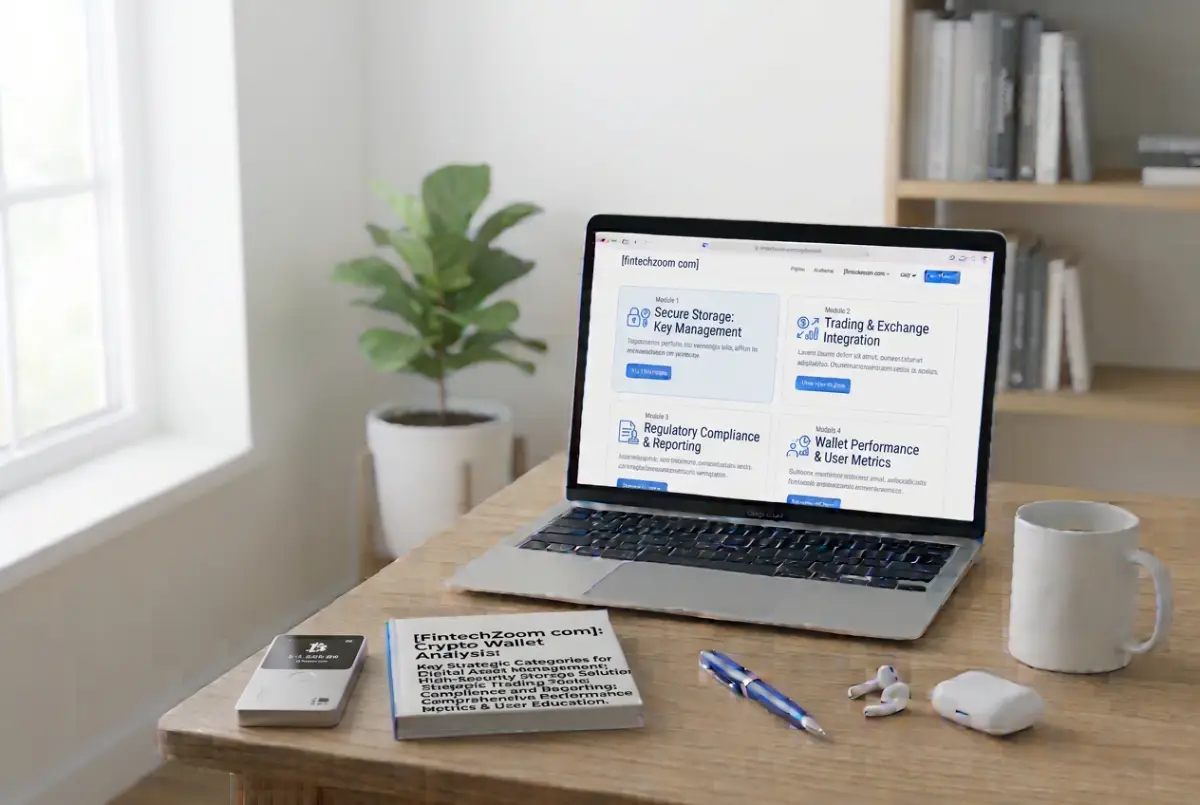
Cryptocurrency has changed how people think about money, payments, and digital ownership. Millions of people now follow Bitcoin, Ethereum, and other digital currencies as part of the growing financial technology industry. However, owning cryptocurrency also creates an important responsibility: knowing how to store and protect digital assets.
This is where the fintechzoom.com crypto wallet topic becomes interesting for people researching cryptocurrency storage and financial technology. FintechZoom.com covers financial markets, cryptocurrency, blockchain developments, and digital finance. Its content can help readers understand crypto-related topics and explore the technology behind digital wallets.
However, one important detail deserves attention. FintechZoom.com is a financial information platform, not a verified cryptocurrency wallet application or exchange. Readers should not assume that the website offers a dedicated wallet for storing Bitcoin or other cryptocurrencies.
In this guide, we explain what the keyword means, how cryptocurrency wallets work, the different wallet types, important security features, and how beginners in the United States can research suitable wallet providers.

Many readers also check Fundfireinsight.com Review 2026: Is It Legit or Safe to Use?.
What Is fintechzoom com crypto wallet?
The term fintechzoom.com crypto wallet is generally associated with researching cryptocurrency wallets, digital asset management, and wallet security through FintechZoom-related financial content.
A cryptocurrency wallet is a digital tool that allows users to access, manage, send, and receive cryptocurrencies. Unlike a traditional physical wallet, it does not actually hold digital coins. Instead, it manages cryptographic keys that prove ownership and authorize blockchain transactions.
FintechZoom.com is a financial media platform that publishes information about cryptocurrency, stocks, banking, markets, and financial technology. Its cryptocurrency coverage can help readers learn about digital assets and related financial developments.
According to its official website, FintechZoom focuses on financial information, market developments, and educational content rather than providing personalized financial services. https://fintechzoom.com/
It is important to distinguish between three different things:
- FintechZoom.com: A financial news and information website.
- Cryptocurrency wallet: Software or hardware that manages private keys and blockchain assets.
- Cryptocurrency exchange: A platform where users can buy, sell, and trade digital currencies.
These services have different purposes. A financial publication can explain wallet technology without operating a wallet itself.
For readers researching the topic, the most useful approach is to treat FintechZoom as an educational starting point and independently verify any wallet provider they consider using.
How Does a Cryptocurrency Wallet Work?
Understanding wallet technology makes it easier to evaluate different storage options.
A cryptocurrency wallet works through a combination of public keys, private keys, and blockchain networks. These elements allow users to control digital assets without depending entirely on traditional banking systems.
1. Public Keys
A public key is connected to a cryptocurrency address. It allows other people to send digital assets to the wallet.
Think of it like an account number that you can share when receiving money. Someone may use your wallet address to send Bitcoin or another supported cryptocurrency.
However, a public address does not give someone permission to spend your funds.
2. Private Keys
A private key is a confidential cryptographic credential that allows someone to authorize transactions involving the associated assets.
Anyone who gains control of your private key may be able to move your cryptocurrency.
This is why wallet security is extremely important. Users should never share their private keys with strangers, websites, customer support representatives, or people promising investment opportunities.
3. Seed Phrases
Many cryptocurrency wallets generate a recovery phrase, often consisting of 12 or 24 words.
This phrase can help restore wallet access if a device is lost, damaged, or replaced.
However, it also creates a serious security responsibility. Anyone who obtains the recovery phrase may gain access to the wallet.
For that reason, users should:
- Keep recovery phrases private.
- Store them somewhere secure and offline.
- Avoid saving unprotected copies in cloud storage.
- Never enter them into unfamiliar websites.
- Avoid sharing screenshots containing recovery information.
4. Blockchain Transactions
When someone sends cryptocurrency, the wallet uses its private key to authorize the transaction.
The transaction is then submitted to the relevant blockchain network, where it is verified and recorded.
Depending on the cryptocurrency, network congestion, transaction fees, and confirmation requirements, the transfer may take different amounts of time.
This process explains why cryptocurrency transactions are not always reversible. Sending funds to an incorrect address can result in permanent financial loss.
Main Types of Cryptocurrency Wallets
Different wallet types offer different combinations of convenience, security, and accessibility. Choosing between them depends on how someone plans to use cryptocurrency.
Hot Wallets
Hot wallets are cryptocurrency wallets connected to the internet.
They are commonly available as mobile applications, desktop software, and browser extensions.
Main features:
- Convenient access to digital assets.
- Easy interaction with supported blockchain applications.
- Quick sending and receiving.
- Support for multiple cryptocurrencies, depending on the provider.
- Simple interfaces for beginners.
Hot wallets are useful for people who regularly interact with cryptocurrency.
However, internet-connected devices can face phishing attacks, malware, malicious browser extensions, and other cybersecurity threats.
Users should download wallet software only from verified official sources and carefully check website addresses before connecting their wallets.
Cold Wallets
Cold wallets store private keys offline or use an offline signing process to reduce exposure to internet-based attacks.
Hardware wallets are a common example.
They are particularly useful for people who want to keep cryptocurrency separate from their everyday internet-connected devices.
Main features:
- Offline key storage or signing.
- Reduced exposure to certain online attacks.
- Dedicated transaction confirmation.
- Recovery options using a backup phrase.
- Support for selected blockchain networks and assets.
Cold storage does not eliminate every security risk. Physical theft, damaged devices, compromised recovery phrases, and fraudulent software can still create problems.
Hardware Wallets
Hardware wallets are physical devices designed to protect cryptocurrency private keys.
They generally require users to connect the device or interact with it before approving transactions.
Some well-known hardware wallet providers include Ledger and Trezor.
A hardware wallet can be useful for someone who wants stronger separation between private keys and everyday computer activity.
Before purchasing one, check the manufacturer’s official website, supported cryptocurrencies, security documentation, device authenticity, and recovery procedures.
Software Wallets
Software wallets are applications installed on computers or smartphones.
They offer convenient access and may support several blockchain networks.
Their security depends on factors such as device protection, application design, private-key management, and user behavior.
A compromised phone or computer can increase the risk of unauthorized access.
Custodial Wallets
A custodial wallet is managed by a third-party company that controls the private keys on behalf of customers.
Some cryptocurrency exchanges offer this arrangement.
The benefit is convenience. Users may not need to manage their own recovery phrases or private keys.
The trade-off is that users depend on the provider’s security, withdrawal policies, account controls, and financial stability.
Non-Custodial Wallets
A non-custodial wallet gives users control over their private keys or recovery credentials.
This arrangement provides greater personal control, but it also creates greater responsibility.
If a user loses the recovery phrase and has no alternative recovery method, access to the cryptocurrency may be permanently lost.
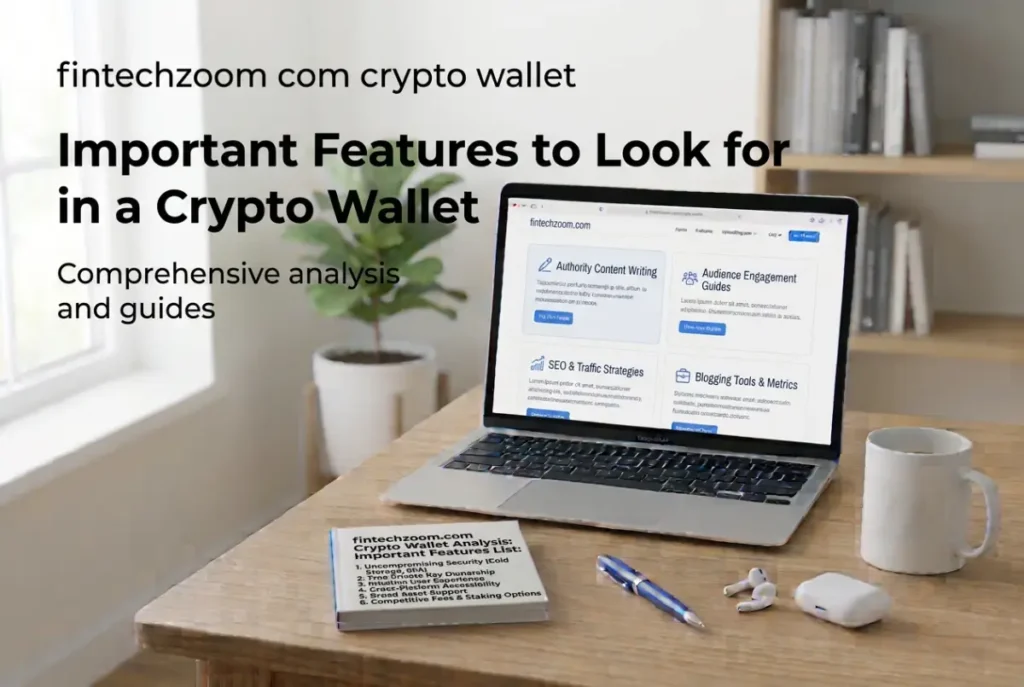
Important Features to Look for in a Crypto Wallet
When comparing cryptocurrency wallets, it is helpful to focus on practical features rather than marketing claims.
1. Strong Security Protection
Security should be one of the first considerations.
Look for wallet providers that explain their private-key management, authentication options, software updates, and transaction approval procedures.
Useful protections may include:
- PIN or password protection.
- Biometric authentication.
- Two-factor authentication where supported.
- Secure device integration.
- Transaction confirmation.
- Security notifications.
No single feature guarantees complete protection, but multiple security layers can reduce certain risks.
2. Cryptocurrency Compatibility
Not every wallet supports every cryptocurrency.
Some wallets are designed mainly for Bitcoin, while others support Ethereum, stablecoins, and several blockchain networks.
Before choosing a wallet, verify that it supports the assets you intend to manage.
Also check whether the wallet supports the correct blockchain network. For example, the same token name may exist on multiple networks, but transferring it through an unsupported network can create problems.
3. Easy-to-Use Interface
A wallet should make basic activities understandable.
Users should be able to identify their balances, review transaction history, copy wallet addresses, and understand transaction confirmations.
A confusing interface can increase the chance of mistakes, particularly for beginners.
4. Transparent Fees
Crypto wallets may involve several types of costs.
These can include:
- Network transaction fees.
- Exchange or conversion fees.
- Provider service fees.
- Withdrawal charges.
- Hardware purchase costs.
Some wallets do not charge for basic software access but still require users to pay blockchain network fees.
Always review the fee structure before making a transaction.
5. Backup and Recovery Options
A wallet should explain how users can recover access if they lose their device.
Look for clear recovery instructions and understand what information is needed.
Do not assume that customer support can restore a non-custodial wallet without the necessary recovery credentials.
6. Regular Software Updates
Wallet software should receive security updates and maintenance.
Updates may address vulnerabilities, improve compatibility, and introduce new features.
Users should install updates through verified official channels rather than unfamiliar download links.
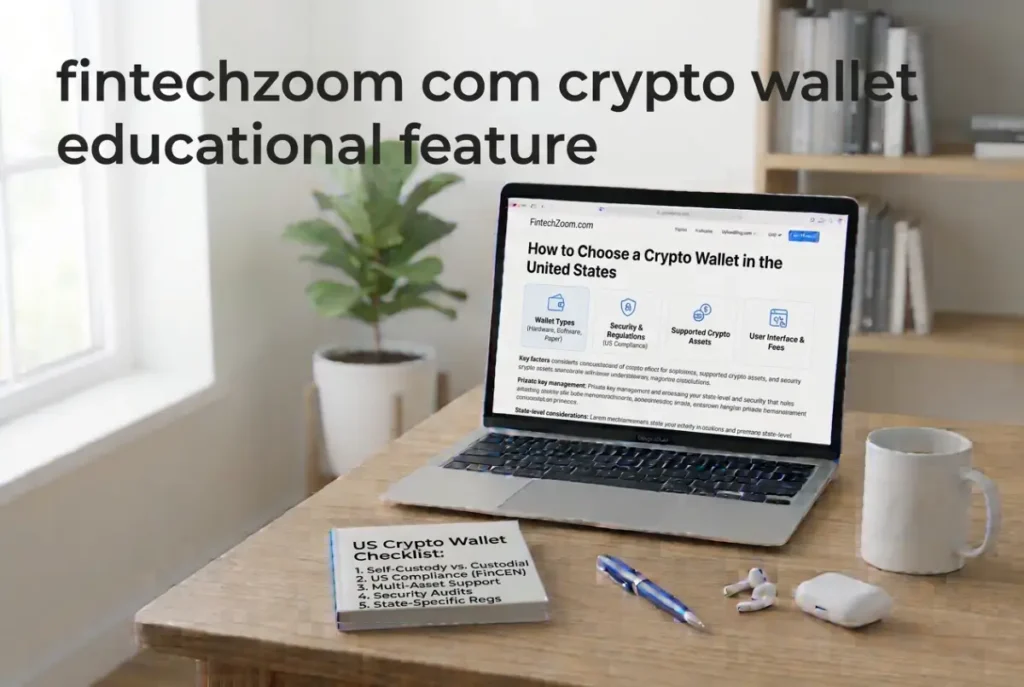
How to Choose a Crypto Wallet in the United States
The US cryptocurrency market includes different wallet providers, exchanges, financial services, and blockchain applications.
Choosing a wallet requires more than comparing app ratings or promotional offers.
Here is a practical approach for American users.
Step 1: Decide how you will use cryptocurrency.
Think about whether you want to hold Bitcoin for an extended period, make occasional transactions, interact with decentralized applications, or manage several digital currencies.
Your intended use will influence the type of wallet you need.
Step 2: Compare custodial and non-custodial options.
A custodial service may be easier for beginners who prefer account-based access.
A non-custodial wallet may be more appropriate for people who want direct control over their private keys and understand the responsibility involved.
Step 3: Verify the provider.
Visit the provider’s official website and review its company information, security documentation, supported assets, and customer support options.
Do not rely entirely on advertisements, influencer promotions, or anonymous online recommendations.
Step 4: Review fees and supported networks.
Check transaction fees, withdrawal conditions, supported blockchain networks, and any conversion charges.
Step 5: Test with a small transaction.
If you decide to use a wallet, understand the process before transferring a significant amount.
A small test transaction can help confirm that the address and network are correct.
Step 6: Protect your recovery information.
Create a secure backup and never share recovery credentials.
For US users, it is also important to understand applicable tax responsibilities. Cryptocurrency transactions may create tax reporting obligations depending on the activity.
The IRS provides official information about digital asset taxation at https://www.irs.gov/filing/digital-assets.
Benefits of Using Cryptocurrency Wallets
Cryptocurrency wallets provide several useful capabilities for digital asset users.
Greater Control Over Digital Assets
Non-custodial wallets allow users to manage their own private keys.
This gives them more direct control over their cryptocurrency rather than relying entirely on a centralized service.
However, greater control also means greater personal responsibility.
Access to Global Payments
Cryptocurrency networks can support transfers between users in different countries without requiring the same payment infrastructure used by traditional banking systems.
Transaction speed and costs depend on the blockchain network and its current conditions.
Support for Multiple Digital Assets
Some wallets allow users to manage several cryptocurrencies from one interface.
This can make it easier to review holdings and manage different assets.
Compatibility should always be checked before sending funds.
Access to Decentralized Finance
Certain wallets allow users to connect with decentralized finance applications.
These applications may offer activities such as token swaps, lending, borrowing, and liquidity provision.
However, DeFi platforms can involve smart contract vulnerabilities, market volatility, liquidation risks, and fraudulent projects.
Users should understand these risks before connecting a wallet or approving transactions.
Improved Financial Accessibility
Cryptocurrency wallets can give people access to blockchain-based services without requiring a traditional brokerage account for every activity.
However, internet access, device availability, local regulations, and supported services can affect usability.
Risks and Security Challenges of Crypto Wallets
Although cryptocurrency wallets offer useful features, they are not completely risk-free.
Understanding the most common threats can help users protect their assets.
Phishing Attacks
Phishing is one of the most common threats facing cryptocurrency users.
Scammers create fake websites, emails, social media accounts, or wallet applications that imitate legitimate services.
They may ask users to enter their recovery phrases or connect their wallets to malicious websites.
To reduce this risk:
- Check website addresses carefully.
- Avoid unfamiliar download links.
- Never enter a recovery phrase into a random website.
- Verify support accounts through official channels.
- Be cautious of urgent security messages.
Malware and Fake Applications
Malicious applications can attempt to steal passwords, monitor activity, or gain access to sensitive information.
Download wallet applications only from verified sources.
Check the developer’s identity, official website, application permissions, and release information.
Lost Recovery Phrases
Losing a recovery phrase can make it impossible to restore access to a non-custodial wallet.
Users should create a secure backup before storing significant assets.
A recovery phrase should never be shared with anyone claiming to be customer support.
Fake Investment Opportunities
Some scammers promote guaranteed cryptocurrency returns or claim that users must deposit funds to unlock profits.
These offers are major warning signs.
Legitimate wallet providers do not need your recovery phrase to verify your identity or release your funds.
Incorrect Transactions
Cryptocurrency transactions are generally difficult or impossible to reverse once confirmed.
Always verify:
- The recipient address.
- The cryptocurrency being sent.
- The blockchain network.
- The transaction amount.
- The displayed network fee.
Taking a few extra seconds to review these details can prevent costly mistakes.
A related grammar guide is Newsatdoor.com Review 2026: Features, and What to Know.
fintechzoom com crypto wallet: Is FintechZoom a Wallet Provider?
This is one of the most important questions associated with the keyword.
The short answer is that FintechZoom.com should be understood as a financial information platform, not a verified cryptocurrency wallet provider.
Its official website focuses on financial news, cryptocurrency coverage, banking, markets, and educational material. It does not establish a dedicated custodial or non-custodial wallet service in the information reviewed for this guide.
A third-party educational article published by Blockchain Council uses the term to discuss cryptocurrency storage and wallet technology. That article should not be confused with an official FintechZoom wallet product. https://www.blockchain-council.org/info/fintechzoom-com-crypto-wallet/
This distinction matters because people sometimes confuse an informational website with a financial service.
For example, reading about Bitcoin on a financial news website does not mean the website can store Bitcoin for its visitors.
Similarly, learning about wallet security through FintechZoom does not mean that users should connect their wallets to unfamiliar services associated with the brand.
Before using any product claiming to be a FintechZoom wallet, verify its ownership, official documentation, security features, and business identity independently.
Is fintechzoom com crypto wallet Safe to Use for Crypto Information?
fintechzoom com crypto wallet can be used as a source for financial and cryptocurrency reading. However, readers should evaluate individual articles and market information carefully.
The website itself publishes a financial disclaimer explaining that its content is informational and should not be treated as personalized investment advice.
Here are some sensible ways to evaluate its content.
Check Publication Dates
Cryptocurrency information can become outdated quickly.
A wallet guide published several months ago may not reflect the latest application features, security updates, or supported blockchain networks.
Always review the publication and update dates.
Verify Important Claims
When an article discusses cryptocurrency regulations, security vulnerabilities, or market developments, look for supporting information from primary sources.
Useful sources include:
- Securities and Exchange Commission: https://www.sec.gov/
- Commodity Futures Trading Commission: https://www.cftc.gov/
- Financial Crimes Enforcement Network: https://www.fincen.gov/
- Internal Revenue Service: https://www.irs.gov/
Avoid Unverified Links
Be careful with websites that use similar names or claim to provide services on behalf of established financial publications.
FintechZoom has published its own warning about impersonation and lookalike domains. Its official domain is fintechzoom.com. https://fintechzoom.com/fintechzoom/fintechzoom-official-website/
Never assume that a third-party application or website is legitimate simply because it mentions a familiar financial brand.
FintechZoom and Other Crypto Research Platforms
Different financial websites serve different purposes.
Some focus on news and market analysis, while others specialize in cryptocurrency prices, token information, and blockchain data.
| Platform | Main purpose |
|---|---|
| FintechZoom.com | Financial news, crypto coverage, and educational content |
| CoinMarketCap | Cryptocurrency prices, rankings, and market data |
| CoinGecko | Crypto market information and token research |
| TradingView | Charts, technical analysis, and market monitoring |
| Blockchain explorers | Transaction and wallet-address verification |
These platforms should not be treated as interchangeable.
For example, CoinGecko and CoinMarketCap are useful for researching cryptocurrency market information, while a blockchain explorer helps users inspect transactions and wallet addresses.
A financial publication provides a different type of service by explaining market developments and financial concepts.
Using several reputable sources can help readers develop a more complete understanding of cryptocurrency.
Best Practices for Managing Digital Assets
Whether someone is new to Bitcoin or has experience with blockchain technology, good security habits are essential.
Here are some practical recommendations.
Use strong passwords: Avoid predictable passwords and do not reuse the same password across multiple financial accounts.
Enable additional authentication: Use available security features to protect exchange accounts and wallet-related services.
Keep software updated: Install verified security updates for your wallet application and operating system.
Protect recovery phrases: Keep recovery information private and store it securely.
Verify transaction details: Always double-check wallet addresses and supported networks before sending cryptocurrency.
Avoid suspicious offers: Be cautious of anyone promising guaranteed returns or requesting an upfront payment to release cryptocurrency.
Separate everyday and long-term holdings: Some users prefer different wallet arrangements for frequent transactions and longer-term storage.
Research wallet providers: Review security documentation, company details, supported assets, and recovery procedures before choosing a service.
These practices do not eliminate every risk, but they can help reduce common security mistakes.
Future of Cryptocurrency Wallet Technology
Cryptocurrency wallets continue to evolve as blockchain networks and financial technology develop.
Several trends are influencing how people manage digital assets.
Multi-Chain Wallet Support
Modern wallet technology increasingly supports multiple blockchain networks.
This allows users to manage different digital assets without necessarily installing a separate wallet for every network.
However, multi-chain compatibility also makes it important to understand network differences before transferring tokens.
Improved User Experience
Wallet developers are working to make cryptocurrency applications easier to understand.
Simpler transaction screens, clearer fee estimates, and improved recovery processes can make digital assets more accessible to new users.
Biometric Authentication
Some wallet applications use fingerprint or facial recognition as an additional security feature.
Biometric authentication can improve convenience, although it should be combined with other appropriate security measures.
Smart Contract Wallets
Smart contract wallets use programmable blockchain functionality to provide additional account-management features.
Depending on the implementation, these may include transaction limits, recovery options, multiple approvals, and automated security rules.
They can offer flexibility, but their security also depends on the underlying smart contracts.
Integration With Financial Services
Digital wallets are increasingly connected with payment services, decentralized applications, and other financial technology products.
This could make cryptocurrency easier to use for everyday activities.
At the same time, wider integration creates additional privacy, security, and regulatory considerations.
For US users, future developments will also depend on financial regulations and how digital asset providers operate under applicable federal and state requirements.
Frequently Asked Questions (FAQs)
1. What is fintechzoom.com crypto wallet?
The term refers to research and educational information about cryptocurrency wallets associated with FintechZoom-related content. FintechZoom.com is a financial information website, not a verified standalone cryptocurrency wallet provider.
2. Does FintechZoom.com offer a cryptocurrency wallet?
No verified dedicated custodial or non-custodial wallet service operated by FintechZoom.com was identified. The website focuses on financial news, cryptocurrency information, and educational content.
3. Can I store Bitcoin on FintechZoom.com?
FintechZoom.com is not a verified Bitcoin storage service. Users who want to store Bitcoin should independently research established custodial or non-custodial wallet providers.
4. Is FintechZoom.com safe for cryptocurrency research?
It can be used to explore financial and cryptocurrency topics. However, readers should check publication dates, verify important claims, and consult primary sources before making financial decisions.
5. What is the difference between a hot wallet and a cold wallet?
A hot wallet is connected to the internet and offers convenient access to cryptocurrency. A cold wallet keeps private keys offline or uses offline transaction signing to reduce exposure to online threats.
6. Are crypto wallets free?
Some software wallets are free to download, but blockchain transactions generally involve network fees. Hardware wallets usually require an initial purchase, and certain providers may charge additional service fees.
7. Can I recover my cryptocurrency wallet if I lose my phone?
Recovery depends on the wallet’s backup and recovery system. Many non-custodial wallets use a recovery phrase to restore access on another compatible device. Without the necessary recovery information, access may be permanently lost.
8. Is a crypto wallet the same as a crypto exchange?
No. A crypto wallet manages private keys and provides access to digital assets. A cryptocurrency exchange allows users to buy, sell, and trade cryptocurrencies. Some companies provide both services, but they perform different functions.
9. Which crypto wallet is best for beginners in the USA?
There is no single best wallet for everyone. Beginners should compare usability, supported cryptocurrencies, security features, recovery options, fees, and provider transparency before choosing one.
10. Does a crypto wallet guarantee the safety of digital assets?
No. Wallets cannot eliminate every risk. Users may still face phishing attacks, malware, stolen recovery phrases, fraudulent applications, and transaction mistakes.
11. Should I share my crypto wallet recovery phrase with customer support?
No. A legitimate support representative should never need your complete recovery phrase or private key. Sharing this information can allow someone to take control of your cryptocurrency.
12. Is cryptocurrency regulated in the United States?
Cryptocurrency regulation in the United States depends on the activity, asset, and service involved. Different federal and state authorities may have relevant responsibilities. Users should review current official guidance before using a financial service.
Need another quick comparison? Read Sosoactive: What It Is,Content, and What Readers Should Know.
Final Thoughts
Cryptocurrency wallets play an important role in the digital financial ecosystem. They help people manage access to Bitcoin, Ethereum, stablecoins, and other blockchain-based assets while providing different levels of convenience and control.
The fintechzoom.com crypto wallet topic is useful for readers who want to understand digital wallet technology, cryptocurrency storage, private-key protection, and broader financial technology developments.
However, understanding the difference between a financial information website and an actual wallet provider is essential. FintechZoom.com provides financial and cryptocurrency information, but it should not be mistaken for a verified service that stores or manages users’ digital assets.
For beginners in the United States, the best starting point is education. Learn how public keys, private keys, recovery phrases, and blockchain transactions work before choosing a wallet. Compare providers carefully, verify official websites, understand fees, and never share sensitive recovery information.
With the right knowledge and responsible security habits, users can make more informed decisions about managing cryptocurrency in an increasingly digital financial world.

Nusrat Basheer is a website review writer who helps readers discover useful websites, understand online services, and make informed decisions through clear, reliable, and easy-to-understand reviews.